Those Who Make Tomorrow
***This Review Contains Spoilers***
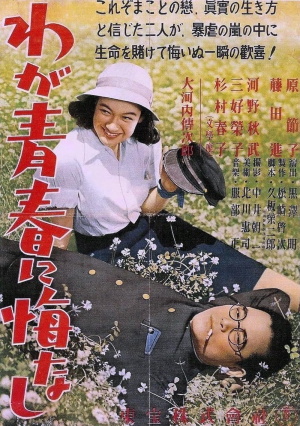
During the postwar occupation of Japan from 1945-1952, Japanese films had to be approved by the American occupying forces. This brings about the great paradox regarding No Regrets For Our Youth (わが青春に悔なし/ Waga Seishun ni Kuinashi). How did American authorities approve a film that commemorates a leftist? The film is a clear disavowal of the Japanese military state (authoritarian, fascist, however you may want to describe it) that existed before the Japanese surrender (“The War is Lost, But Freedom is Restored“) and is big in its theme of the glorification of the individual, views far more in line with the American ideology. I can only speculate that the American authorities were willing to overlook the former because of the latter.
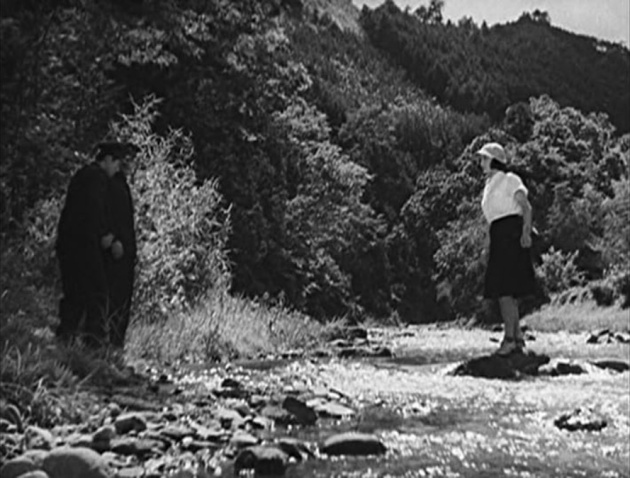
Despite its political backdrop (and even some of the overt imagery as seen in the third act), No Regrets For Our Youth has a much greater focus on being a deeply human story. Yukie Yagihara (Setsuko Hara), the daughter of a professor at Kyoto Imperial University, spends a sunny, peaceful day in 1933 with a group of the male alumni on the hills surrounding the city. As they are trying to cross a creek together, Yukie needs help at the end. The gawky and indecisive Itokawa (Akitake Kono) looks on without taking any action, while the confident Ryukichi Noge (Susumu Fujita) strides over to pick her up, much to the annoyance of the timid Itokawa, setting up the film’s love triangle. As they indulge in the whims of carefree youth, little do they know this is the calm before the storm, as gunshots suddenly rage from the university in protest against the suppression of academic freedom.
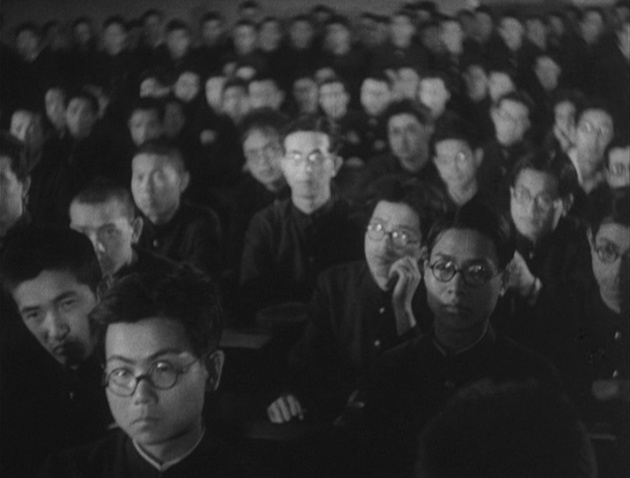
No Regrets For Our Youth is a film of modest means but largely succeeds in covering the 12-year period of time from 1933 to 1945. Even at this early stage in his career, director Akira Kurosawa’s work was displaying such dynamic use of the camera, especially during the aforementioned excursion to the hills (just how close is the camera to the river’s water in the film’s opening?). In his first post-war film, No Regrets For Our Youth is a massive leap for the director in comparison to his work during the war years (comparing No Regrets For Our Youth to The Most Beautiful from two years earlier is night & day in more ways than one). The film’s first act, however, is its weakest, relying quite heavily on some rather clunky montages to cover student protests at Kyoto Imperial University over academic freedom. Following this, however, the film quickly becomes deeply involving, thanks in no small part to an extraordinary performance by Setsuko Hara, in what is Kurosawa’s only film with a sole female protagonist.
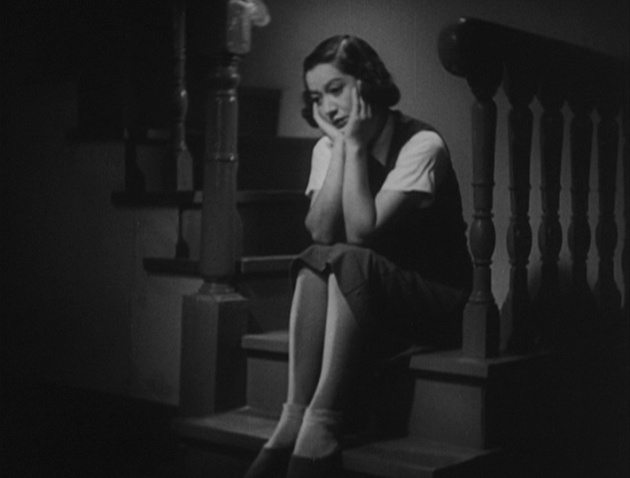
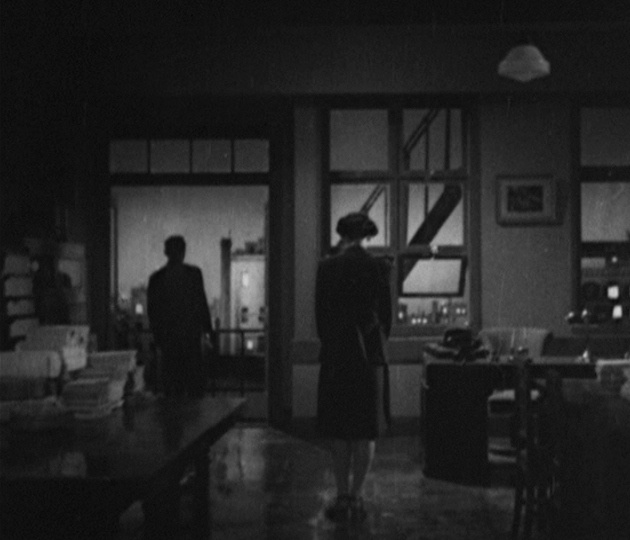
Hara’s performance in No Regrets For Our Youth showcases why she is one of the greatest actresses to ever grace the silver screen. She has the ability to express profound emotion through the simplest gestures and convey so much and so precisely without words. The strongest demonstration of this (and my favourite scene in the movie), is when Yukie and Noge meet again for the first time in years in his Tokyo office. The intensely claustrophobic scene runs seven minutes in length, as Yukie and Noge converse in the empty office building about the nostalgic days of old. With its westernised office setting and intense, drenched shadows, the scene is visually reminiscent of a Hollywood production, with Hara’s striking facial expressions being imprinted onto your psyche, creating a scene I was deeply moved by.
The journey which Yukie takes over the course of the film is what would now be referred to as “finding yourself” (but not in a ridiculous, cliché manner in which someone travels to an eastern land to meet a monk in a cave to gain otherworldly knowledge). This is established through the film’s love triangle between Yukie and polar opposites of the virgin Itokawa and the chad Noge. Yukie is drawn to Noge and his dangerous yet thrilling life as a social activist on the edge of society. On the other hand, she can choose the meek and mild-mannered Itokawa, a man of the system who goes with the flow. Life with him would be stable, safe, but ultimately boring. Noge is not afraid to tell Yukie off and reprimand her for her political illiteracy (“He’s just telling the truth, something you are incapable of doing”) following her professor father (Denjirō Ōkōchi) losing his position due to his opposition to the Japanese invasion of Manchuria. Following this (and to further hammer the difference between these two men), out of frustration with Noge’s comments, Yukie asks Itokawa to kneel down, to which he obliges, only to then tell him to stop and asks, “What are you doing!?”.
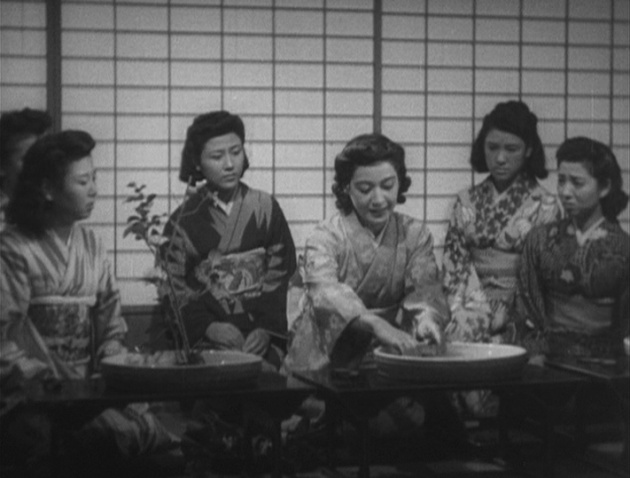
There are indications throughout the early portion of the story that only does Yukie desire a life of excitement but that she also doesn’t fit in with conventional society. In the aforementioned opening scene on the hills surrounding the university, Yukie actually becomes excited by the sounds of the gunshots (“It’s so clear and rhythmic. It makes my heart race!”. Likewise, her mother mentions that in elementary school, she only drew things like aeroplanes and locomotives, suggesting her non-conformist streak outside of traditionally expected roles. Later, to her mother’s approval, Yukie takes up flower arranging; however, she feels that none of her arrangements truly represent how she feels. In one class, frustrated, she disassembles her work and proceeds to throw three petals into a bowl, representing herself, Noge and Itokawa. Additionally, a very strange moment worth mentioning is the editing when Yukie enters a room to get away from her mother while in a state of despair; she stands by the door as 5 different fade-in shots occur over the same frame. Initially, I presumed this was to convey the passing of time, but then the mother is still there on the other side, as if she has been standing there for a comically long period of time.
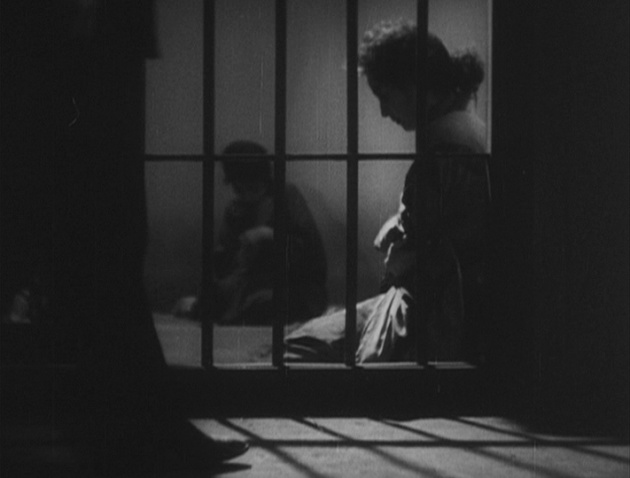
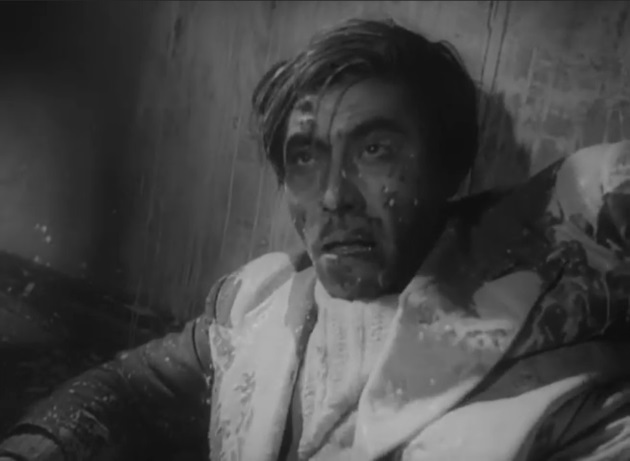
Yukie later moves to Tokyo, where she meets Noge once again, and the two start a relationship. The character of Noge himself was inspired by the real-life case of Hotzumi Ozaki, the only Japanese person to be hanged for treason against the Japanese state during World War II. The two lovebirds live together in domestic bliss; however, this is quickly cut short when Noge is arrested on charges of espionage. Noge dies in prison, although the film does not state how this happens (I can only guess that he got Epstein’d). Following Noge’s arrest and passing, Yukie becomes more politically enlightened about Japan’s oppressive state, although it could be argued her decisions seem tied more to her love for Noge than to any firm political belief. No Regrets For Our Youth does a very convincing job of showing Yukie’s ageing over the 12-year span. What is shocking, however, especially after becoming accustomed to seeing Hara as a goddess of domesticity in the Ozu films, is her brutalisation when she spends time in prison (also under espionage accusations) and, shortly after, her transformation into a hardened agrarian woman. After Yukie is bailed from prison, instead of returning to live with her parents, she finds the estranged parents of Noge in an unnamed rural village and asks to move in and assist them.
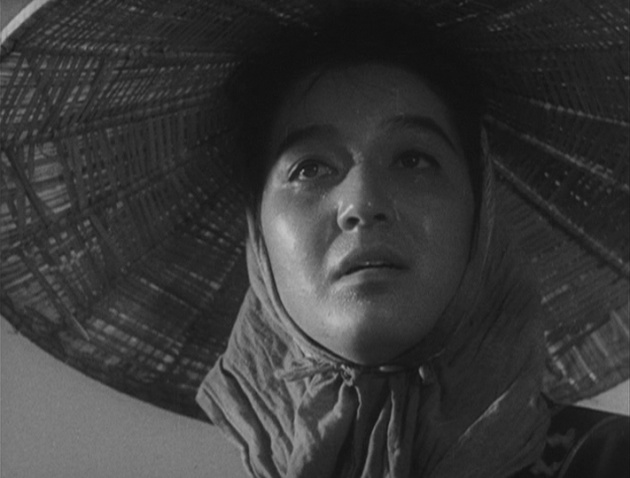
During this portion of the film, Yukie works in the fields, and it is filmed in the manner of a Soviet propaganda film, akin to the works of Alexander Dovzhenko. Just as Soviet cinema shows upward shots of giant figures working the earth, No Regrets For Our Youth employs this same style to give Yukie a heroic stature. Yet despite the cinematographic influence, this portion of the film (even more significantly than the rest of the picture) is about defiance against the collective, with Kurosawa glorifying the individual characters, not the farmers as a collective. Noge’s parents have been ostracised by the rest of the village due to their son’s political activities, with their home being covered in graffiti denouncing them as a house of spies. As a result, Yukie and Noge’s mother (Haruko Sugimura) only work the fields at night, until Yukie defies the onlooking villagers and chooses to work during the day, to the point of physical exhaustion and sickness (in Soviet Russia, you don’t work field, field works you).
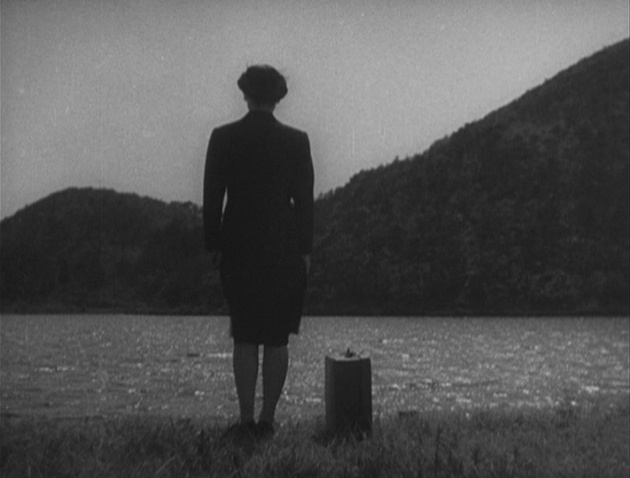
“The War is Lost, But Freedom is Restored“, states a title card as the story wraps up in a newly American-occupied Japan. Yukie’s father has his position as professor at the university restored, and the late Noge is venerated. While it feels like things have come full circle back to those peaceful, innocent days on the hills outside Kyoto back in 1933, Yukie is no longer the girl she was back then. The film concludes with Yukie hitching a ride on the back of a truck to participate in an organisation called the Rural Cultural Movement, as a defiant Yukie chooses her own path. No Regrets For Our Youth doesn’t state a reason why Yukie chose to undergo the intense hardship in the village, but I believe it’s not difficult to identify her reasons for doing so: trying to uphold the memory of a lost lover, guilt over a misspent youth, or not having been more active in political movements. Above all, however, I believe this is what was required for Yukie to undergo a metamorphosis, to achieve a quiet, indomitable pride and ultimately to free herself from having no regrets for her youth.